



TLR2
TLR2 is a plasma-membrane Toll-like receptor that supports innate immune surveillance by sensing microbial patterns and initiating inflammatory cytokine signaling[1]. Mechanistically, TLR2 functions through heterodimerization with TLR1 or TLR6, and ligand-triggered TLR2/1 or TLR2/6 complexes initiate downstream immune signaling[2]. In dendritic cells, TLR2-mediated uptake promotes clathrin-mediated endocytosis, Rab7 upregulation, and TAP-independent antigen cross-presentation, linking innate recognition to CTL priming[3]. In disease models, TLR2 activation participates in inflammatory bowel disease, traumatic deep venous thrombosis, hypoxic-ischemic brain damage, and splenic marginal zone lymphoma signaling[4][5][6][7]. Compared with nucleic-acid-sensing endosomal TLR3, TLR7, TLR8, and TLR9, TLR2 belongs to the non-endosomal receptor group and emphasizes cell-surface recognition with TLR1/TLR6 pairing[1][2]. For experimental applications, Pam3CSK4 is used as a TLR2 agonist, while C29, M2000, and phloretin have been reported to suppress TLR2-related inflammatory signaling in defined cell or animal models[4][5][8][9].
References:
- [1]. Lim KH, et al. Toll-like receptor signaling. Cold Spring Harb Perspect Biol. 2013 Jan 1;5(1):a011247. [Content Brief]
- [2]. Mansouri A, et al. Homology Modeling, Molecular Dynamics Simulation, and Prediction of Bovine TLR2 Heterodimerization. Int J Mol Sci. 2024 Jan 25;25(3):1496. [Content Brief]
- [3]. Shen KY, et al. Molecular mechanisms of TLR2-mediated antigen cross-presentation in dendritic cells. J Immunol. 2014 May 1;192(9):4233-41. [Content Brief]
- [4]. Wu W, et al. Endoplasmic reticulum stress is upregulated in inflammatory bowel disease and contributed TLR2 pathway-mediated inflammatory response. Immunopharmacol Immunotoxicol. 2024 Apr;46(2):192-198. [Content Brief]
- [5]. Guo T, et al. TLR2 promotes traumatic deep venous thrombosis of the lower extremity following femoral fracture by activating the NF‑κB/COX‑2 signaling pathway in rats. Exp Ther Med. 2024 Sep 20;28(6):436. [Content Brief]
- [6]. Gu Y, et al. Mesenchymal stem cells suppress neuronal apoptosis and decrease IL-10 release via the TLR2/NFκB pathway in rats with hypoxic-ischemic brain damage. Mol Brain. 2015 Oct 17;8(1):65. [Content Brief]
- [7]. Fonte E, et al. Toll-like receptor stimulation in splenic marginal zone lymphoma can modulate cell signaling, activation and proliferation. Haematologica. 2015 Nov;100(11):1460-8. [Content Brief]
- [8]. Aletaha S, et al. M2000 (β-D-Mannuronic Acid) as a Novel Antagonist for Blocking the TLR2 and TLR4 Downstream Signalling Pathway. Scand J Immunol. 2017 Feb;85(2):122-129. [Content Brief]
- [9]. Kim J, et al. Phloretin as a Potent Natural TLR2/1 Inhibitor Suppresses TLR2-Induced Inflammation. Nutrients. 2018 Jul 5;10(7):868. [Content Brief]
All Product Categories
-
TLR2 Related Products (38)
Related Products (38)

-
Recombinant Proteins (3)
- 1
- 2
-
C29
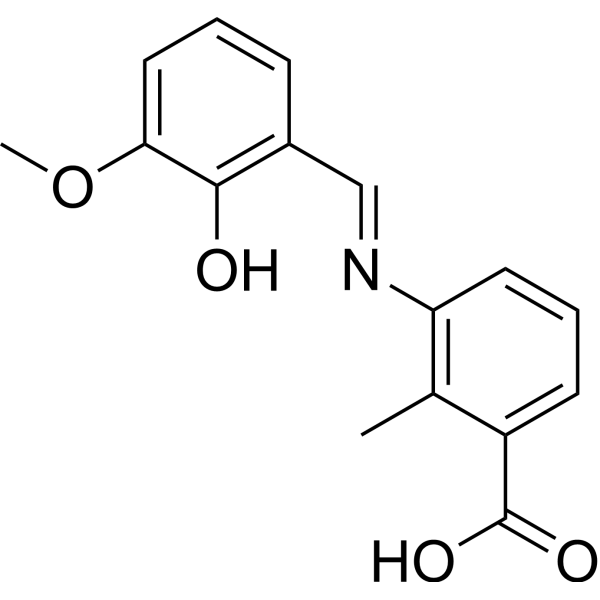 0 ImagesC29 is a Toll-like receptor 2 (TLR2) inhibitor. C29 blocks hTLR2/1 and hTLR2/6 signaling with IC50s of 19.7 and 37.6 μM, respectively.
-
Pam3CSK4 TFA
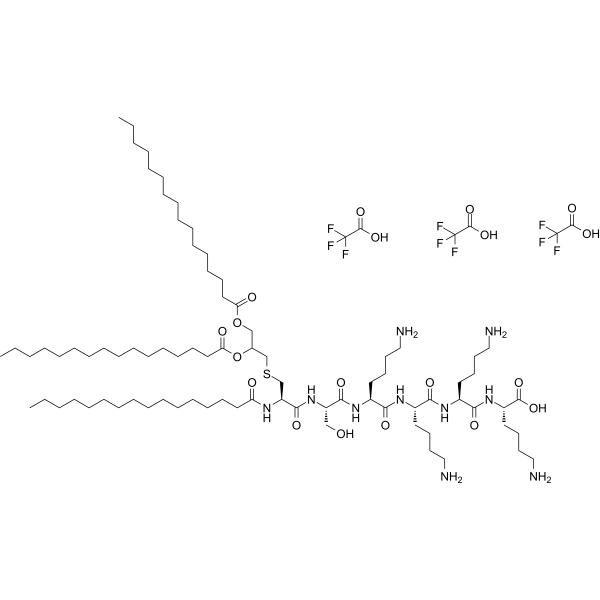 0 ImagesSynonyms: Pam3Cys-Ser-(Lys)4 TFAPam3CSK4 TFA is a toll-like receptor 1/2 (TLR1/2) agonist with an EC50 of 0.47 ng/mL for human TLR1/2.
-
CU-CPT22
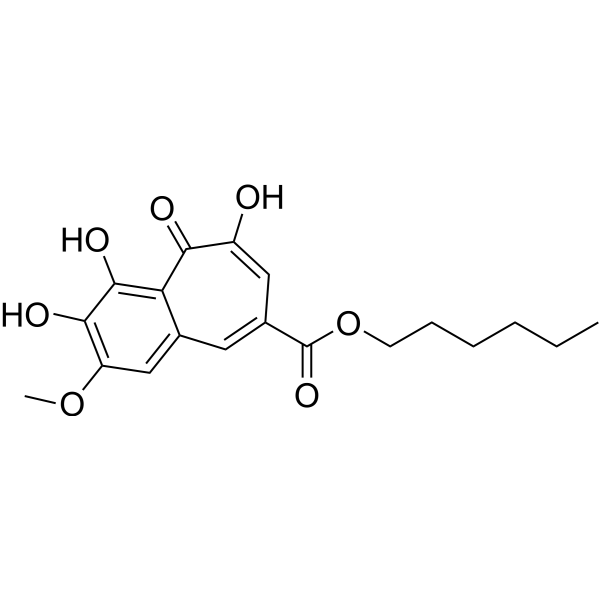 0 ImagesCU-CPT22 is a potent protein complex of toll-like receptor 1 and 2 (TLR1/2) inhibitor, and competes with the synthetic triacylated lipoprotein (Pam3CSK4) binding to TLR1/2 with a Ki of 0.41 µM. CU-CPT22 blocks Pam3CSK4-induced TLR1/2 activation with an IC50 of 0.58 µM.
-
Diprovocim
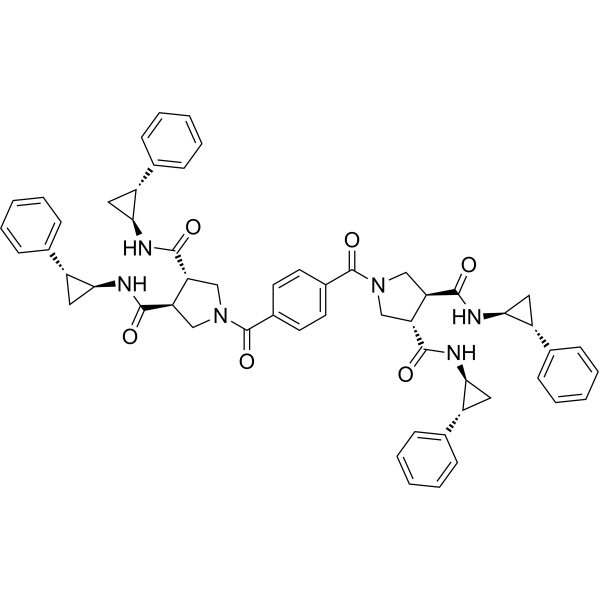 0 ImagesDiprovocim is a potent TLR1/TLR2 agonist. Diprovocim elicits full agonist activity in human THP-1 cells (EC50=110 pM). Diprovocim stimulates the release of TNF-α from mouse macrophages (EC50=1.3 nM). Diprovocim activates downstream MAPK and NF-κB signaling pathway. Diprovocim displays strong adjuvant activity in mice, particularly abetting cellular immune responses.

-
TLR2/1 agonist-1
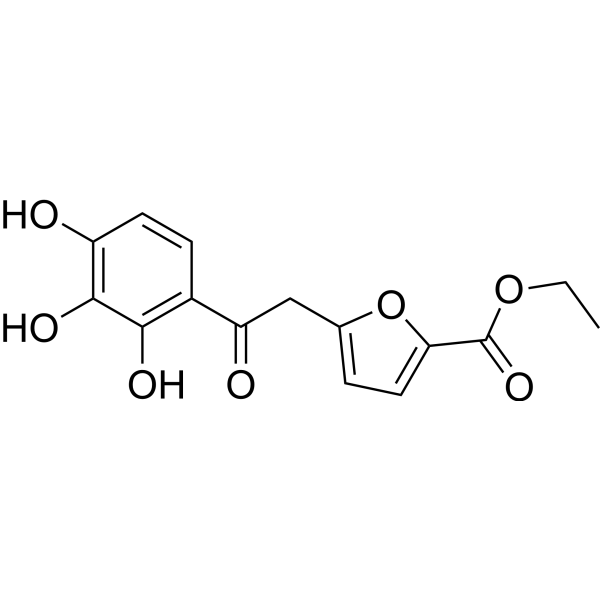
 0 ImagesCat. No.: HY-183301TLR2/1 agonist-1 is a selective agonist of the TLR2/1 heterodimer. TLR2/1 agonist-1 acts as a hematopoietic recovery inducer to accelerate the recovery of peripheral blood cells. TLR2/1 agonist-1 serves as a G-CSF production inducer to increase serum G-CSF levels. TLR2/1 agonist-1 exhibits radioprotective effects in mice exposed to radiation. TLR2/1 agonist-1 can be used in studies related to acute radiation syndrome.
-
Sparstolonin B
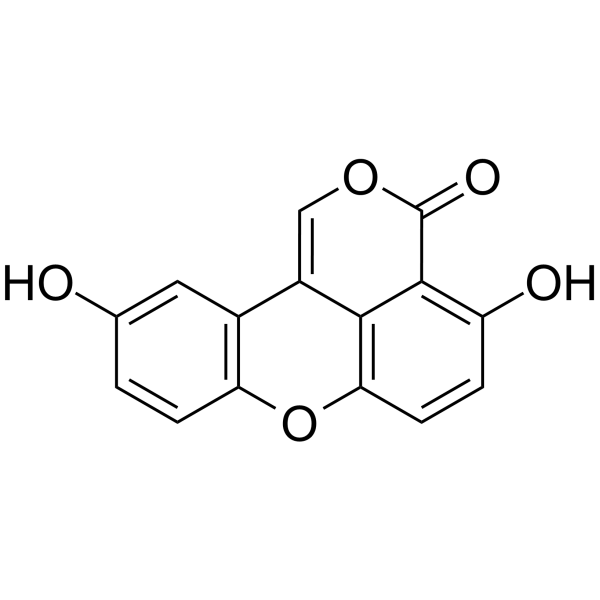 0 ImagesSparstolonin B acts as a selective TLR2 and TLR4 antagonist and selectively blocks TLR2- and TLR4-mediated inflammatory signaling. Sparstolonin B has anti-HIV and anticancer activities.
-
CU-T12-9
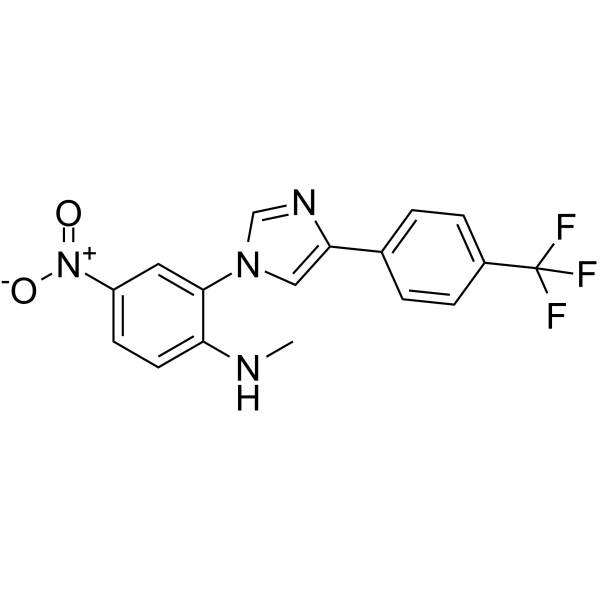 0 ImagesCU-T12-9 is a specific TLR1/2 agonist with EC50 of 52.9 nM in HEK-Blue hTLR2 SEAP assay. CU-T12-9 activates both the innate and the adaptive immune systems. CU-T12-9 selectively activates the TLR1/2 heterodimer, not TLR2/6. CU-T12-9 signals through NF-κB and invokes an elevation of the downstream effectors TNF-α, IL-10, and iNOS.
-
Robinin
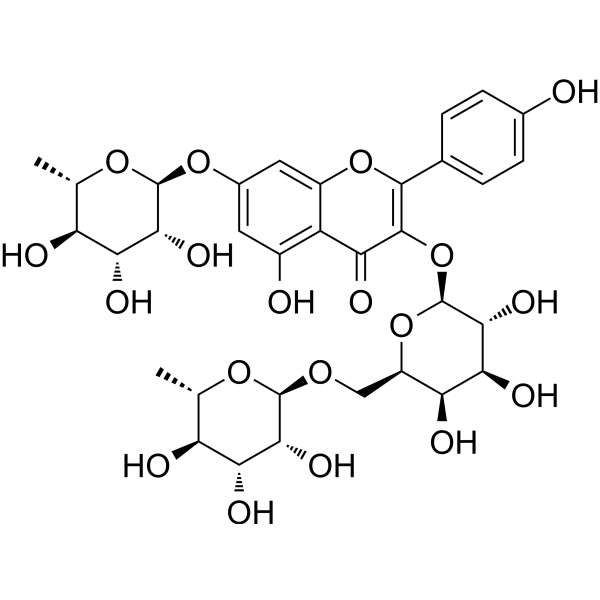 0 ImagesRobinin is a flavonoid that can be extracted from the leaves of purple cowpea, inhibiting TGF-β, TLR4/NF-κB and TLR2-PI3k-AKT signaling pathways. Robinin exerts anti-inflammatory and anti-tumor effects. The combination of Robinin and Methotrexate (HY-14519) reduces inflammation in experimental arthritis, Robinin can decrease the Doxorubicin (HY-15142A) induced cardiac toxicity effect.
-
Zymosan (ZM), 95%
 0 ImagesZymosan (ZM), 95% is a yeast cell wall-derived carbohydrate-rich preparation and immunomodulator. Zymosan (ZM), 95% binds to and activates TLR-2, TLR-4, and Dectin-1 receptor to trigger downstream signaling pathways. Zymosan (ZM), 95% upregulates TLR-2, TLR-4, and TNF-α mRNA expression, increases serum TNF-α levels, and stimulates splenocyte number and viability in mice. Zymosan (ZM), 95% attenuates melanoma growth progression, modulates macrophage marker gene expression, and mediates phagocytosis, ROS generation, and cytokine production. Zymosan (ZM), 95% reduces Connexin 43 protein and mRNA levels, inhibits gap junctional intercellular communication, and induces proinflammatory factor production in human corneal cells. Zymosan (ZM), 95% induces peritoneal inflammation in mice, functions as a drug carrier, and supports fibroblast cell attachment in hydrogel formulations. Zymosan (ZM), 95% can be used for the research of melanoma, tumors, fungal keratitis, ocular surface inflammatory disorders, and peritoneal inflammation.
-
AN-3485
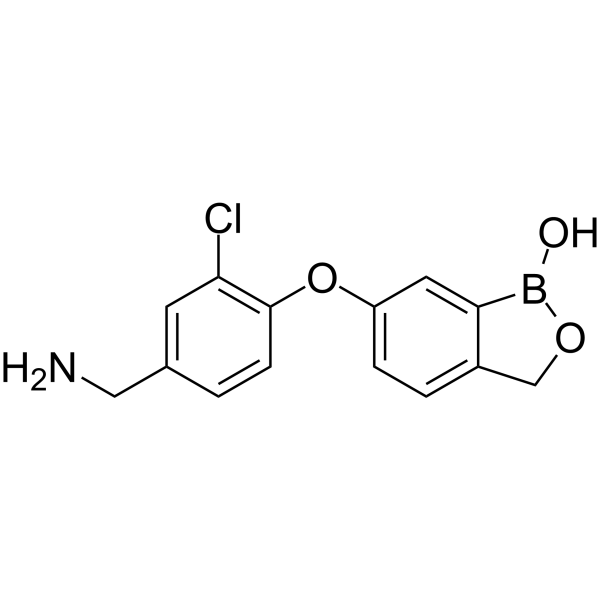 0 ImagesCat. No.: HY-18325CAS No.: 1213827-99-6AN-3485 is a benzoxaborole analogue and an orally active antagonist of the Toll-like pathway. AN-3485 can inhibit TLR-mediated inflammatory cytokine secretion and has significant anti-inflammatory activity. In addition, AN-3485 also has certain anti-tumor activity.
-
Kaempferol 3-O-sophoroside
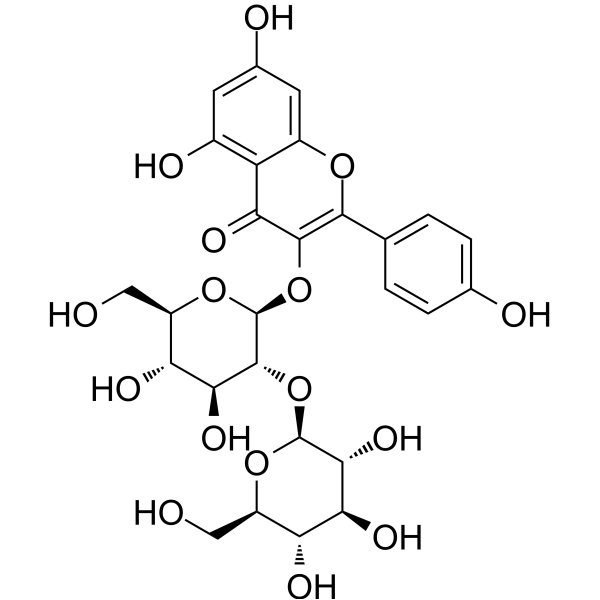 0 ImagesKaempferol 3-O-sophoroside is an orally active derivative of Kaempferol. It exhibits anti-inflammatory, analgesic, and antidepressant effects. Kaempferol 3-O-sophoroside is an inhibitor of the cell surface receptor toll-like receptor (TLR) 2/4 for High mobility group box 1 (HMGB1), and it also exerts anti-inflammatory effects by blocking the activation of NF-κB expression and the production of TNF-α. Kaempferol 3-O-sophoroside promotes the production of brain-derived neurotrophic factor (BDNF) and enhances autophagy by binding to AMP-activated protein kinase (AMPK), thereby exerting antidepressant effects. Kaempferol 3-O-sophoroside holds promise for research in the fields of inflammation and neurodegenerative diseases.
-
FSL-1
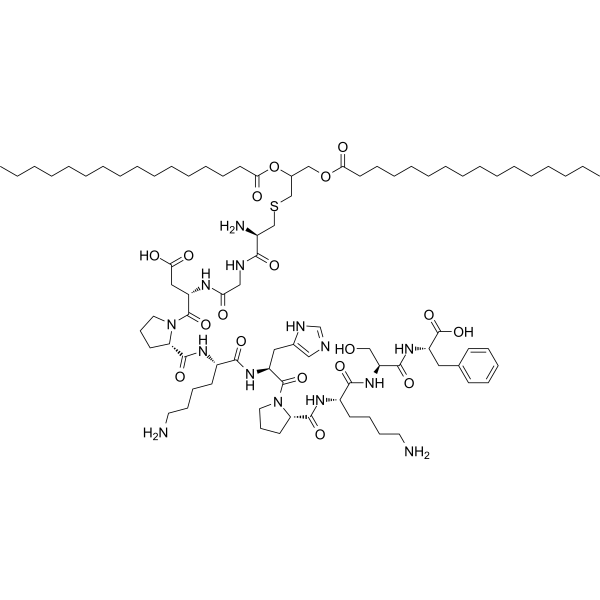 0 ImagesFSL-1, a bacterial-derived toll-like receptor 2/6 (TLR2/6) agonist, enhances resistance to experimental HSV-2 infection.
-
MMG-11 quarterhydrate
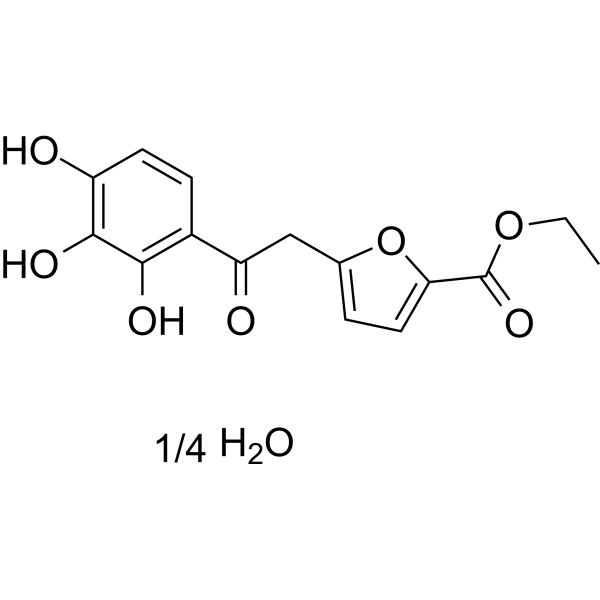 0 ImagesCat. No.: HY-112146APurity: 98.74%
-
Pam2Cys
 0 ImagesSynonyms: Dipalmitoyl-S-glyceryl-cysteine; S-[2,3-Bis(palmitoyloxy)propyl]cysteinePam2Cys (Dipalmitoyl-S-glyceryl-cysteine; S-[2,3-Bis(palmitoyloxy)propyl]cysteine) is a TLR2 agonist and immunostimulant. Pam2Cys binds to TLR2 to activate dendritic cells and trigger the TLR2-dependent NF-κB signaling pathway. Pam2Cys also induces dendritic cell maturation by upregulating the expression of cell surface MHC II molecules. Pam2Cys activates innate immune signaling pathways, drives pro-inflammatory and antimicrobial responses, enhances the expression of macrophage activation markers, increases phagocytic activity, induces the release of IL-12 and pro-inflammatory cytokines, and polarizes macrophages into a pro-inflammatory, antimicrobial phenotype without interfering with IL-10-induced macrophage polarization. Pam2Cys also serves as the lipid moiety in synthetic lipopeptide vaccines and possesses self-adjuvant properties. Pam2Cys enhances the immunogenicity of conjugated peptide segments and induces cellular and humoral immune responses. However, it does not activate CD4 T cells in mouse splenocyte cultures when used alone. Pam2Cys activates pulmonary TLR2 signaling pathways, triggers innate immune responses, recruits neutrophils and macrophages, induces the secretion of various cytokines, alleviates symptoms and damages associated with influenza A virus infection in mice without impairing adaptive immunity. Pam2Cys can be used in studies related to tuberculosis and influenza A virus infection.
-
Tomentosin
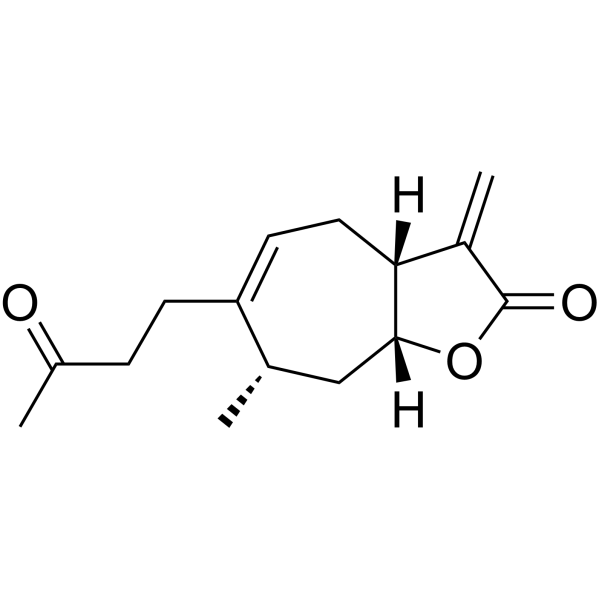 0 ImagesTomentosin is an orally active natural sesquiterpenoid lactone. Tomentosin exhibits multiple activities such as anti-tumor, anti-fungal, anti-inflammatory, anti-oxidant and neuroprotective effects. Tomentosin can inhibit tumor cell proliferation, migration and invasion, and induce apoptosis. Tomentosin can be used in the research of tumors, inflammation and nervous system diseases.
-
TLR9 antagonist 1
 0 ImagesCat. No.: HY-178037CAS No.: 3105410-45-2TLR9 antagonist 1 is a selective hTLR9 antagonist with an IC50 of 0.1 nM against hTLR9. TLR9 antagonist 1 exhibits favorable pharmacokinetic and pharmacodynamic properties. TLR9 antagonist 1 can be used in the research of systemic lupus erythematosus.
-
Pam3CSK4
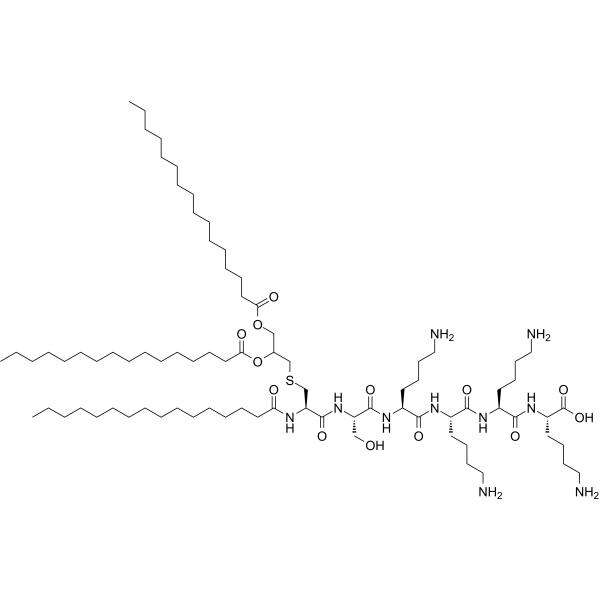 0 ImagesCat. No.: HY-P1180CAS No.: 112208-00-1Synonyms: Pam3Cys-Ser-(Lys)4Pam3CSK4 is a toll-like receptor 1/2 (TLR1/2) agonist with an EC50 of 0.47 ng/mL for human TLR1/2.
- 1
- 2




